How to Prevent Radiations
In this comprehensive guide, we will explore effective methods to prevent and minimize the harmful effects of radiation exposure.
By understanding the various types of radiations and implementing healthy habits accentrix company limited, we can take charge of our well-being and create a radiation-free environment.
With authoritative insights and technical expertise, this article equips you with the knowledge and tools to make informed decisions, empowering you to protect yourself and your loved ones from the potential risks associated with radiation.
Understanding Different Types of Radiations
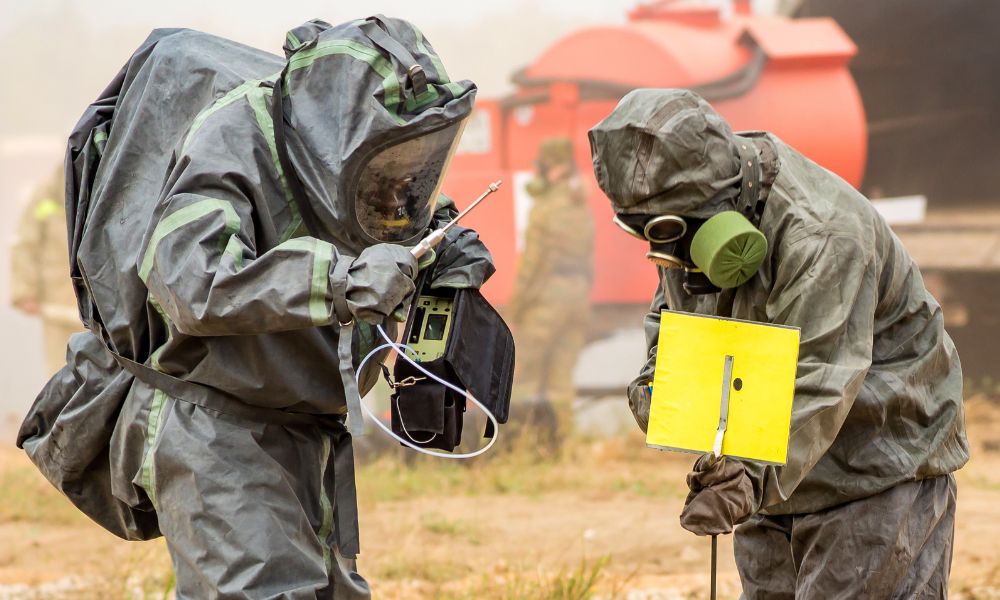
There are various types of radiations that can be harmful to human health, including ionizing radiation, non-ionizing radiation, and electromagnetic radiation. Radiation sources can come from natural sources such as the sun and radioactive materials found in the earth’s crust https://www.accentrix.com.my/, as well as man-made sources like nuclear power plants and X-ray machines.
The effects of radiation exposure depend on the type and dose of radiation received. Ionizing radiation, such as X-rays and gamma rays, have enough energy to remove tightly bound electrons from atoms, leading to cellular damage and DNA mutations. This can result in various health effects, including increased risk of cancer and genetic disorders.
Non-ionizing radiation, on the other hand, does not have enough energy to remove electrons but can still cause tissue heating and can potentially lead to long-term health effects, although the evidence is not conclusive.
Electromagnetic radiation, including radio waves and microwaves, is a form of non-ionizing radiation commonly encountered in everyday life, but its effects on human health are generally considered to be minimal.
Understanding the different types of radiation and their potential effects is crucial in developing strategies to minimize exposure and protect human health.
Minimizing Exposure to Electromagnetic Fields
To reduce potential health risks, it is important to take measures to limit one’s exposure to electromagnetic fields (EMF). EMF is generated by various electronic devices such as cell phones, laptops, and Wi-Fi routers. Studies have suggested that long-term exposure to high levels of EMF may have adverse effects on human health, including an increased risk of cancer and other health issues.
To minimize exposure to EMF, several techniques can be employed. One effective method is to use EMF shielding techniques, which involve creating a barrier between the source of EMF and the individual. This can be achieved by using materials that absorb or reflect electromagnetic waves, such as metal or conductive fabrics.
Another approach is to maintain a safe distance from EMF sources, as the intensity of EMF decreases with distance. Additionally, using wired connections instead of wireless ones can also reduce EMF exposure.
Healthy Habits to Protect Against Radiations
Implementing healthy habits can help safeguard against the harmful effects of radiation exposure.
Diet and nutrition play a crucial role in protecting the body against radiation. Consuming a diet rich in antioxidants, vitamins, and minerals can help strengthen the body’s defense mechanisms and repair any damage caused by radiation.
Foods such as leafy greens, berries, nuts, and seeds are excellent sources of antioxidants that can neutralize free radicals and reduce oxidative stress.
Additionally, incorporating physical activity into your routine can aid in radiation prevention. Exercise helps boost the immune system, improve blood circulation, and enhance the body’s ability to repair damaged cells.
Regular exercise also helps maintain a healthy weight, which is important for overall well-being and radiation protection.
Creating a Radiation-Free Environment at Home
Creating a radiation-free environment at home involves several steps.
First, you need to minimize exposure to sources of radiation such as electronic devices. This can be done by keeping a distance from devices like cell phones and laptops, and limiting their use when possible.
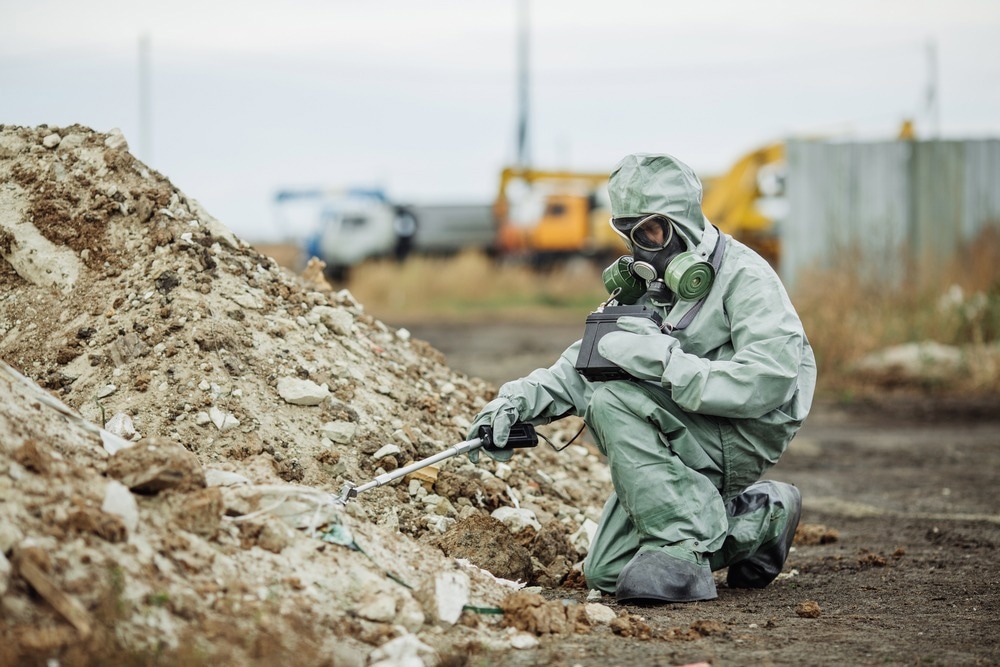
Next, it’s important to ensure proper shielding and ventilation in areas that may contain radioactive materials. This includes spaces like basements or garages where radon gas may be present.
To protect against radiation, it is essential to use radiation blocking materials and implement DIY radiation protection measures. Start by identifying areas in your home that may have high radiation levels, such as near electrical appliances or Wi-Fi routers.
Use radiation blocking materials like lead-lined curtains or window films to shield against external sources of radiation. Additionally, consider using radiation protection paints or wallpapers that contain metal particles to create a barrier against electromagnetic radiation.
Proper ventilation systems should also be installed to ensure that any radioactive materials are properly contained and ventilated. This will help to prevent the buildup of radon gas or other harmful substances.
Choosing the Right Protective Measures for Radiations
When choosing protective measures against radiation, it is important to consider factors such as the specific source of radiation, the level of exposure, and the effectiveness of different shielding materials.
Radiation shielding plays a crucial role in ensuring radiation safety, as it helps to minimize the harmful effects of radiation on human health.
The choice of shielding material depends on factors such as the type of radiation, energy level, and the desired level of protection. Commonly used materials for radiation shielding include lead, concrete, and steel, each offering different levels of protection against different types of radiation.
It is essential to select the appropriate shielding material based on the specific requirements and radiation hazards present.
Conclusion
In conclusion, understanding the different types of radiations and their potential effects is essential for minimizing exposure.
By adopting healthy habits and creating a radiation-free environment at home, individuals can further protect themselves from harmful radiations.
Additionally, choosing the right protective measures, such as shielding materials and devices, can help mitigate the risks associated with radiations.
Taking these precautions can significantly contribute to the prevention of radiations and promote overall well-being.
…Continue Reading





/GettyImages-72983300-5968bd245f9b582c3568caae.jpg)